

Competency 6: Engage with Individuals, Families, Groups, Organizations, and Communities
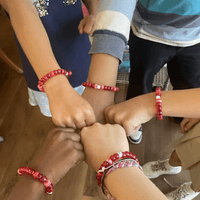
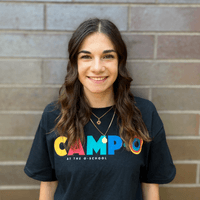
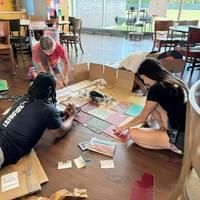
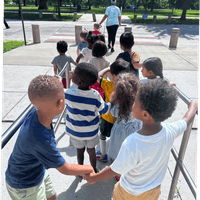
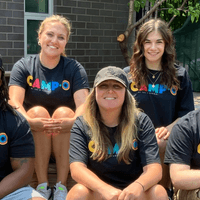
Photos from my time working at the Sonia Shankman Orthogenic School Summer Program (Camp O) serve as an artifact demonstrating my ability to engage with individuals and groups in a social work setting. At Camp O, I worked with a wide range of children with diverse needs, including autism, ADHD, speech and processing disorders, and developmental delays. The camp was intentionally structured to support campers in developing social skills and emotional regulation, particularly around building friendships, an area that can present unique challenges for this population. In this role, I learned that engagement is not a one-time interaction but an ongoing process that requires patience, consistency, and adaptability. Building trust with campers meant meeting them where they were developmentally and emotionally, using empathy, active listening, and individualized approaches as well as crisis intervention to support their participation in group activities and peer relationships.
This experience strengthened my ability to apply a person-in-environment perspective by recognizing how each child’s behavior and social interactions were influenced by their individual needs as well as the group setting. I also became more aware of how my own communication style, assumptions, and level of patience could impact my ability to effectively engage with campers. Working closely with other counselors and staff further emphasized the importance of collaboration and shared responsibility in supporting clients. Overall, this experience deepened my understanding of how meaningful relationships are foundational to social work practice and reinforced my commitment to engaging with individuals and groups in a way that is responsive, respectful, and inclusive.
Photos From my Time at Camp O: